

All Articles
Read recent news about our hospital, providers, innovative programs and treatments, our latest quality and safety awards, and community service.
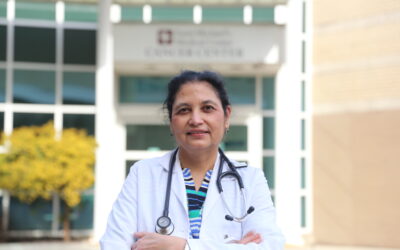
Uncovering and Treating Bleeding Disorders
By Gunwant K. Guron, MDMedical DirectorNadeene Brunini Comprehensive Hemophilia Care CenterBlood Research InstituteSaint Michael’s Medical Center Blood is the lifeline of our bodies. This precious liquid brings oxygen, nutrients, and hormones to...
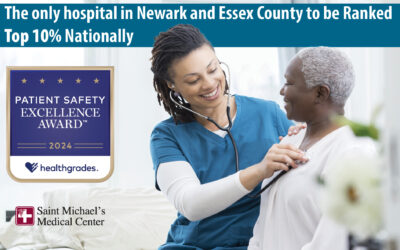
Healthgrades Names Saint Michael’s Medical Center a 2024 Patient Safety Excellence Award Recipient
Saint Michael’s Medical Center announced today that it has been recognized as a 2024 Patient Safety Excellence Award™ recipient by Healthgrades, placing in the top 10% of all hospitals nationwide for patient safety. This achievement, along with...
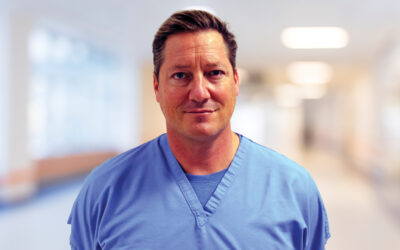
Get a Screening Colonscopy: Colorectal Cancer is Preventable
By William Scott DiGiacomo, MD, FACG Gastroenterologist Primary & Specialty Care Center Saint Michael’s Medical Center It is easier than ever to get screened for cancers of the colon and rectum, with several options available. The gold standard...

Common ER Visits 101 – Utilizing GetCareNow for Nausea and Vomiting
Welcome to Saint Michael's Medical Center! We're shedding light on a vital tool that enhances your emergency care experience: GetCareNow. Coupled with insights into common causes of nausea and vomiting, this post aims to empower you to make...
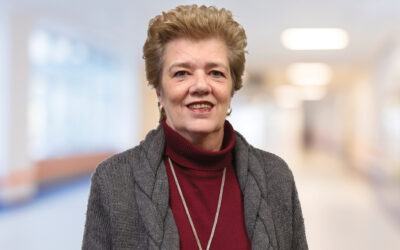
50 years, 9 lessons — 1 CNO on long-term nursing trends
This article originally appeared February 20, 2024 in Becker's Clinical Leadership. Nancy Bisco, BSN, RN, has many life lessons to share after her 50-year career, most of which was spent in leadership roles. Ms. Bisco said she knew she wanted to be...
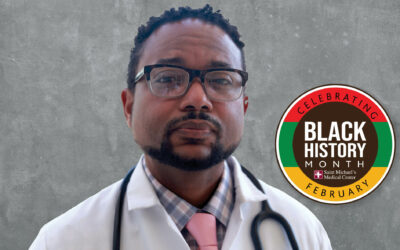
February is Black History Month and National Cancer Prevention Month
February has been designated Black History Month and National Cancer Prevention Month, and it is the ideal time to examine how to address the trend of the Black/ African-American population suffering with the highest cancer mortality rates
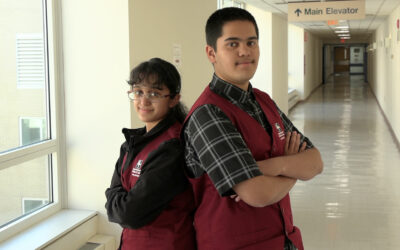
Remarkable Sister and Brother Duo Volunteer at Saint Michael’s While Attending NJIT
Saint Michael’s, a member of Prime Healthcare, recently restarted its volunteer program after putting it on pause during the pandemic.

Saint Michael’s Chief Nursing Officer Retires After Long Career in Newark
Nancy Bisco Flora retired from Saint Michael's as chief nursing officer after working in Newark for nearly 50 years. Read this article as it originally appeared January 10, 2024 in TAPinto Newark When Nancy Bisco-Flora graduated from Bloomfield...

Saint Michael’s Medical Center Nursing Fellowship Program: Launch Your Career in Critical Care and Emergency Nursing
At Saint Michael’s Medical Center, we believe in nurturing the next generation of nursing professionals, and that's why we're thrilled to introduce our Critical Care and Emergency Department Nursing Fellowship Programs. If you're a passionate,...

CBIZ KA Notice of Data Privacy Incident
CBIZ KA, a third-party vendor for Prime Healthcare (Prime), discovered a security incident involving CBIZ’s use of MOVEit Transfer software, which has recently reported a security vulnerability. Prime takes the responsibility of safeguarding your...

Understanding Medicare Annual Wellness Visits: Your Guide to Cognitive Screening and Alzheimer’s Assessment
As we approach Alzheimer's Awareness Month in November, it's an opportunity to shine a light on the importance of early detection and awareness of Alzheimer's disease. Medicare annual wellness visits are a vital component of preventive healthcare,...
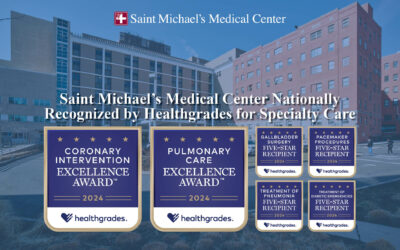
Saint Michael’s Medical Center Nationally Recognized by Healthgrades for Specialty Care
Saint Michael’s Medical Center, a member of Prime Healthcare, announced today it has achieved numerous accolades for clinical excellence, according to new research released by Healthgrades, the leading resource consumers use to find a hospital or...